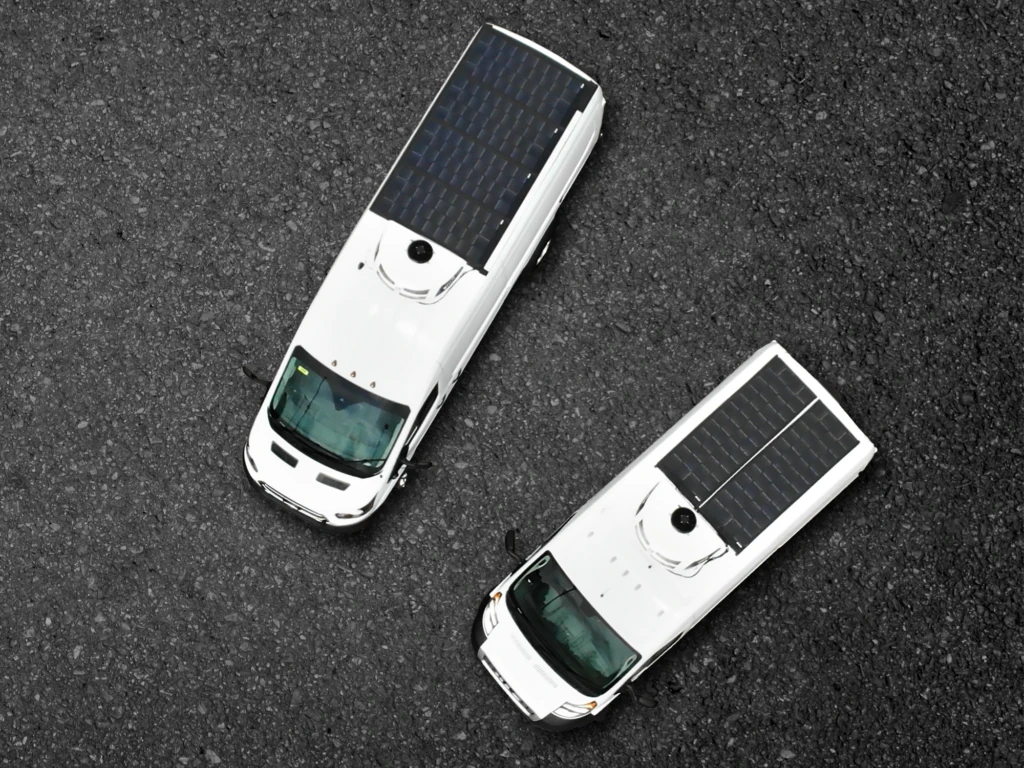
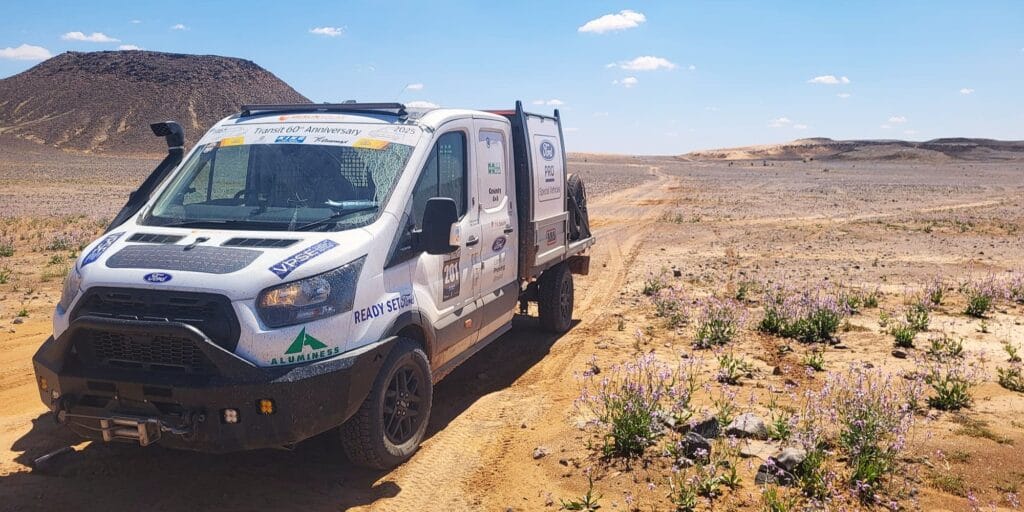
Delivery and mobile-service vehicles combine driving, parked work and repeated stops. Record how long the vehicle runs and when equipment remains switched on.
A useful evaluation distinguishes vehicle starting needs from the power required to perform the job. Your operating pattern should guide the conversation, rather than a design borrowed from a long-haul tractor.
DEFINE THE WORK
What happens at the stop?
01
Delivery routes
Describe route length, stop frequency and the equipment used during deliveries.
02
Field service
List diagnostic, communication and other onboard electrical equipment used at the worksite.
03
Mobile work platforms
Identify dedicated auxiliary batteries and any separate work-area electrical system.
Merlin’s light-duty application material identifies vans, service fleets, telematics and auxiliary electrical loads.
That establishes an application category—not a guarantee that a particular tool or appliance will run from solar. Provide the load rating, usage duration and existing supply arrangement for review.
04 / LIGHT-DUTY SOLAR
Support the equipment. Understand the supply.
05 / ROOF PLANNING
A compact roof. A considered layout.
Roof racks, vents, ladders and service equipment compete for space. Share roof photographs and measured clear areas before discussing module placement.
Consider shading from carried equipment, cable routing and access requirements. A flexible module format does not remove the need to verify mounting and vehicle constraints.
MATCH THE VAN ARCHITECTURE
Keep the electrical details connected.
01
Module selection
Request the current module dimensions and electrical documentation for the available footprint.
02
Battery separation
Identify starting and auxiliary batteries, if both are fitted, without assuming they use one charging circuit.
03
Charging coordination
List alternator charging, shore charging and power conversion already on the vehicle.
07 / EVALUATION BEFORE SCALE
One clear vehicle brief. A stronger fleet decision.
For a multi-van project, identify variations in roof equipment, battery arrangements and vehicle specification before treating the fleet as one configuration.
Agree what a first evaluation should establish: physical fit, electrical suitability and the operational question being tested. Fleet-wide performance and commercial terms remain subject to confirmation.
Solar may contribute to the energy available for onboard equipment, but tool power requirements vary. Share the tool ratings, usage patterns, batteries and conversion equipment for a realistic assessment.
An existing roof rack affects available space, shading and mounting clearances. The selected module’s installation requirements and the vehicle layout will determine suitable options.
Share your van model and electrical requirements with Envonex. We can discuss current Merlin Solar product information and confirm whether an appropriate configuration is documented.
MANUFACTURER REFERENCES
Go to the source.
Manufacturer references describe particular applications. They do not establish the suitability or results of an unreviewed Canadian project.